Patriotic Mallard Duck American Flag PNG: A Designer's Guide
Beyond the Clip Art: Understanding the Artistic DNA
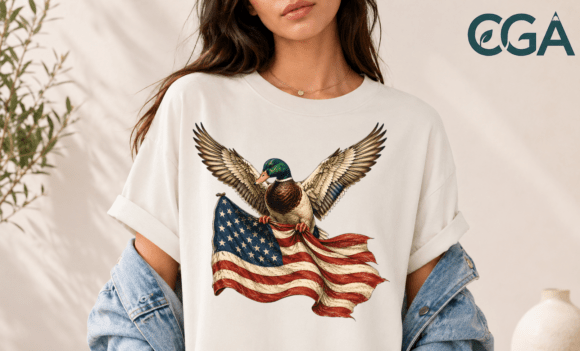
When you first encounter the Patriotic Mallard Duck American Flag PNG, it’s easy to dismiss it as just another seasonal graphic for a Fourth of July sale. However, as a designer or brand strategist, you have to look closer. This isn't a flat vector or a generic cartoon; it is a piece of digital art with a specific "voice." The power of this asset lies in its cross-hatched woodcut engraving style and traditional sketch linework. This aesthetic immediately signals heritage, craftsmanship, and timelessness.
Unlike modern, flat design trends that can feel sterile, this illustration breathes texture. The majestic mallard drake is rendered with a brilliance that captures the iridescent green of nature, while the chestnut-brown breast and grey feathers provide a grounding, earthy palette. Then, you have the pop of the vintage American flag. The "aged" look of the flag—rustic reds and deep blues—prevents the design from looking too "cheap" or overly digital. It feels like something you would find etched into a brass plate on an old hunting lodge door. This is the kind of premium font (or in this case, premium graphic) style that elevates a project from amateur to professional instantly.
Strategic Applications: Where This Design Fits Best
As a creative professional, knowing where to deploy an asset is just as important as the asset itself. The Patriotic Mallard Duck American Flag PNG is a highly specialized tool. It isn't for a minimalist tech startup or a high-fashion boutique. It is designed for a specific emotional resonance: the intersection of wildlife conservation, outdoor sports, and national pride.
1. Apparel and Merchandise (DTG & Sublimation)
The primary use case here is apparel. Because the file is optimized for direct-to-garment (DTG) printing and sublimation, it excels on fabrics. Think about the texture of a cotton hoodie or a vintage-wash t-shirt. The engraving style mimics the grain of the fabric, creating a cohesive look. For small business owners in the hunting or fishing niche, this graphic serves as a powerful centerpiece for a "hero" product. It doesn't need much supporting text; the illustration tells the story of the hunter-conservationist.
2. Brand Identity and Logo Design
If you are building a brand identity for a local hunting lodge, a wetlands conservation group, or a rustic outdoor gear company, this asset is gold. However, treat it like a display font—it demands space. Don't try to shrink it into a tiny favicon. Use it as a badge or a crest. Pair it with a sturdy serif font or a bold sans serif font for your headlines to create a hierarchy that feels established and trustworthy. The "vintage Americana" vibe helps build immediate trust with an audience that values tradition.
3. Digital Crafting and Vinyl Stickers
For the hobbyist and crafter market, the transparent background is a critical feature. It allows for seamless layering in digital crafting software. Whether you are designing custom vinyl decals for truck windows or creating heat transfers for caps, the clean edges ensure a professional finish. The "dynamic wings spread" composition is particularly effective for stickers, as it avoids awkward negative space and creates a sense of movement.
Design Mechanics: Hierarchy, Pairing, and Readability
One of the most overlooked aspects of using complex illustrations like the Patriotic Mallard Duck American Flag PNG is managing the visual hierarchy. Because the illustration is "ultra-detailed," it acts as a high-volume visual element. If you pair it with a chaotic script font or a busy handwritten font, you risk visual fatigue. The viewer won't know where to look.
Instead, let the graphic do the heavy lifting for the imagery, and let your typography provide the clarity.
- The Pairing Strategy: I recommend pairing this illustration with a clean, wide-tracked sans serif font for a modern rustic look, or a classic serif font (like a slab serif) for a more traditional, "General Store" aesthetic. The contrast between the intricate linework of the duck and the clean geometry of the type creates a balanced design asset.
- Color Theory: Since the PNG contains iridescent greens, chestnut browns, and vintage flag colors, keep your background colors neutral. A charcoal grey, a deep olive, or a raw canvas beige will make the graphic pop. Avoid putting this on bright, neon colors, as it will clash with the "aged" vintage texture of the flag.
- Scalability: While the file is high-resolution, remember that this is an illustration, not a vector. It has a "sweet spot" regarding size. It is meant to be seen. If you shrink it too small for social media graphics or web design thumbnails, the beautiful cross-hatching turns into visual noise. Use it large or not at all.
Practical Workflow: Evaluating and Implementing the Asset
Before you drop this into your next project, run through this quick professional checklist. First, evaluate the commercial licensing. Since you are likely using this for custom gifts or merchandise, ensure the license covers the number of prints or the specific usage you intend. Second, test the file on your specific background. Even with a transparent PNG, the "white" pixels within the feather textures can sometimes appear harsh against dark backgrounds depending on your printer's color profile. You may need to apply a slight "multiply" layer style in Photoshop to blend the texture seamlessly.
Finally, consider the narrative. Using the Patriotic Mallard Duck American Flag PNG is a statement. It tells your audience that you care about the details, that you appreciate the heritage of the outdoors, and that you value quality production. It transforms a simple t-shirt into a piece of storytelling or a simple website header into a mission statement. When used with intention and paired with the right modern typography, this asset becomes more than just a picture of a duck—it becomes the face of a brand.